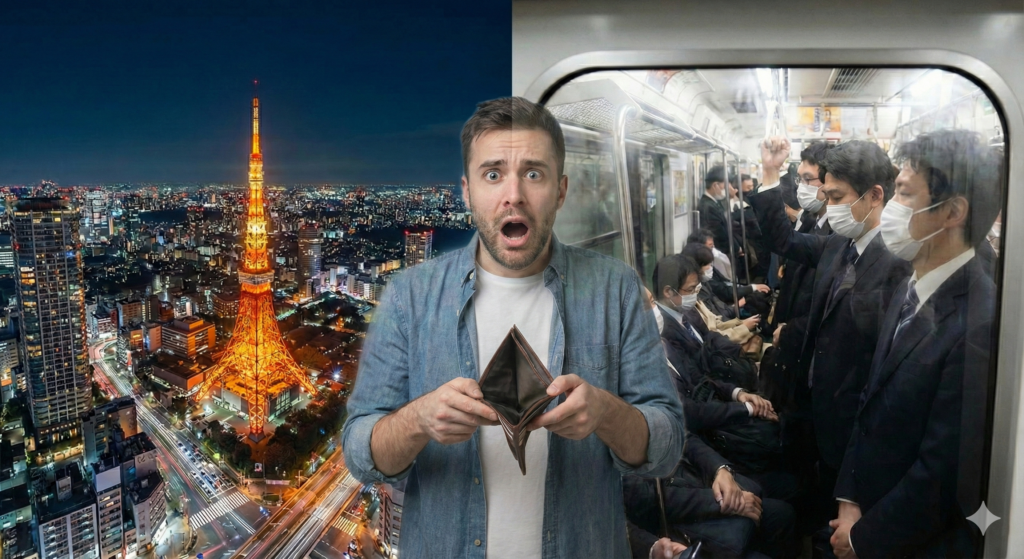
The 5 Worst “Commuter Hell” Train Lines in Tokyo, Japan (Avoid These to Save Your Mental Health)
Introduction: The “Sushi-Zume” Reality
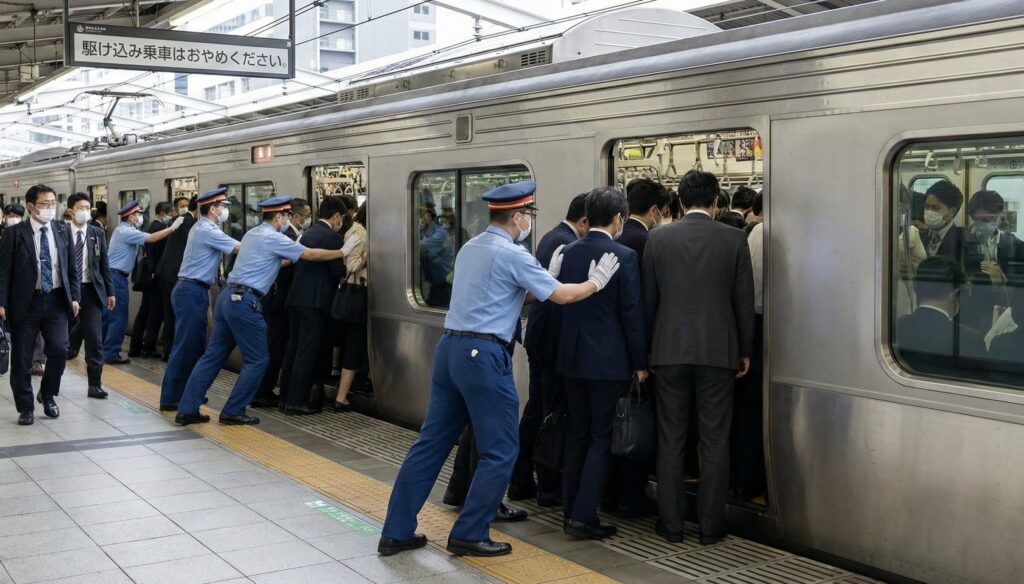
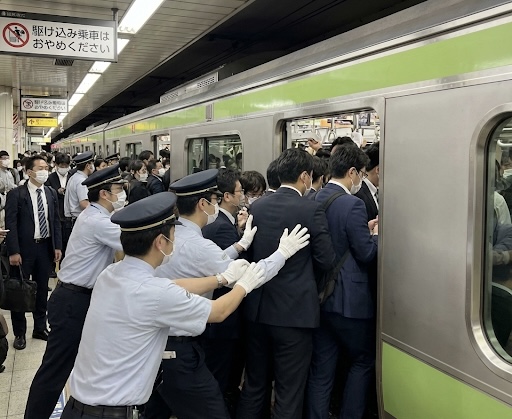
“This is not a riot. It’s just Tuesday morning at 8:00 AM.”
You’ve seen the viral videos. White-gloved station staff pushing people into trains like stuffing into a turkey. You thought, “Wow, crazy Japan!”
But when you live here, it’s not a viral video. It is your daily nightmare.
Tokyo’s public transport is the best in the world—punctual, clean, and safe.
But between 7:50 AM and 8:50 AM, it turns into a war zone.
According to the Ministry of Land, Infrastructure, Transport and Tourism (MLIT), some lines still reach congestion levels where your feet barely touch the floor.
If you value your mental health, do not sign a lease along these 5 lines without knowing the reality.
What does “150% Congestion” feel like?
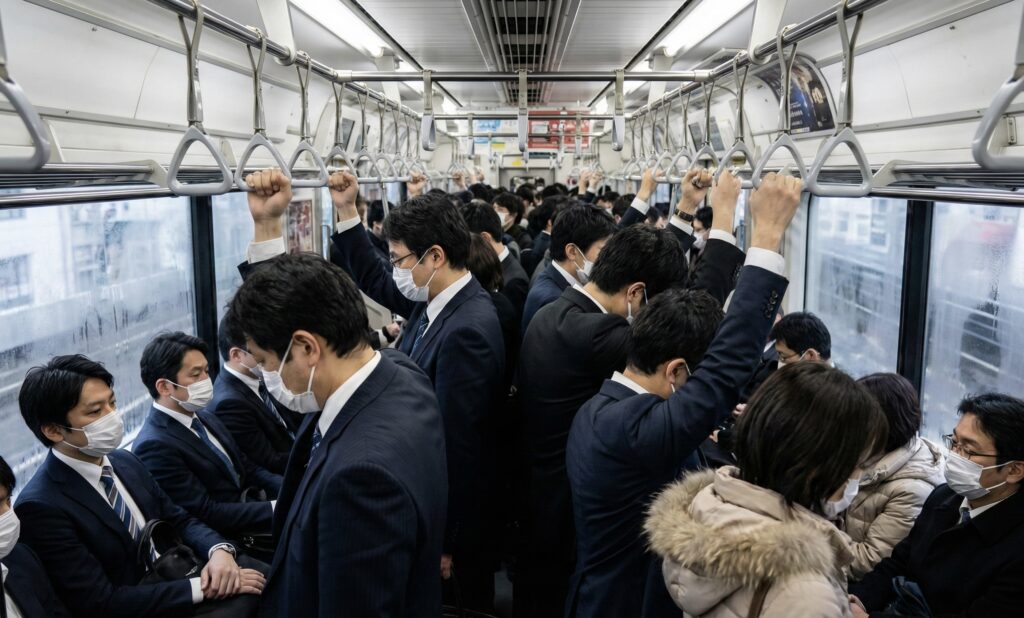
Before the ranking, understand the “Misery Scale” defined by the Japanese government:
- 100%: All seats and straps are taken. (Uncomfortable but okay)
- 150%: Shoulders touch. You can barely open a newspaper. (Standard Tokyo stress)
- 180%: Bodies touch firmly. You can only read a smartphone if it’s already in your hand.
- 200%: You feel significant pressure. You cannot move your arms. “Oshiya” (pushers) are needed. (Danger Zone)
The Ranking: Top 5 “Hell Lines” in Tokyo (2025 Reality)
1. The Unexpected Champion: Nippori-Toneri Liner
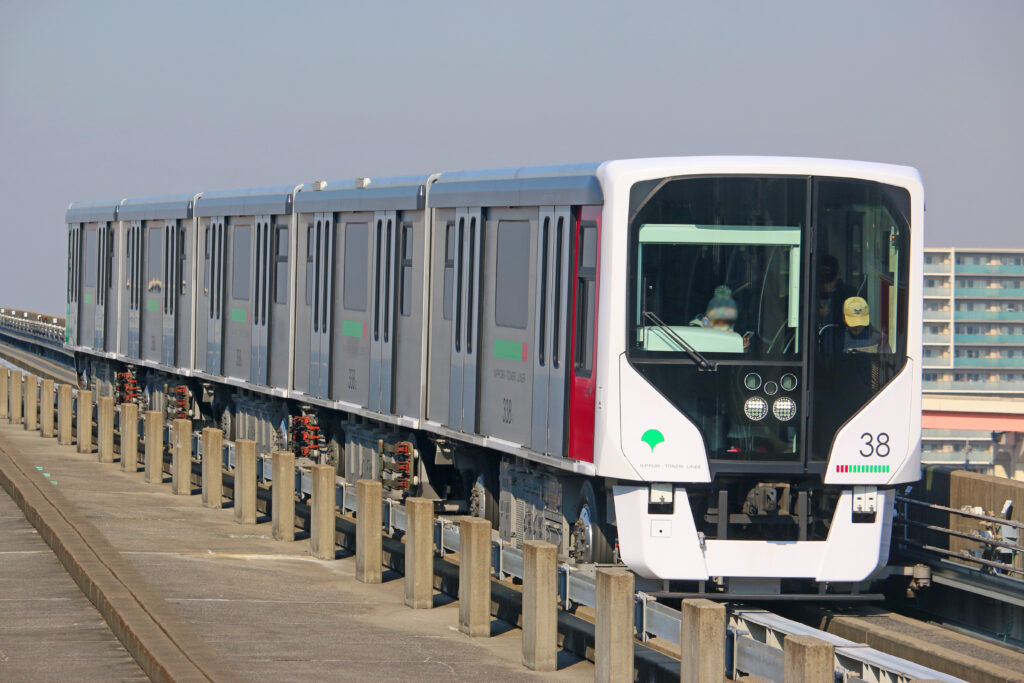
- The Trap: It connects cheap residential areas (Adachi Ward) to the Yamanote Line. Rents are very attractive.
- The Reality: Because it’s a small automated train (not a big JR train), it gets overwhelmed instantly.
- Congestion Rate: 155% – 170%!! (Highest in recent MLIT data).
- The Experience: You might have to wait for 2 or 3 trains just to get on the platform.
- 🥳 Smart Alternative: Move closer to Nishi-Nippori or choose the Chiyoda Line (Ayase branch).
2. The Legend of Pain: Tozai Line (Tokyo Metro)
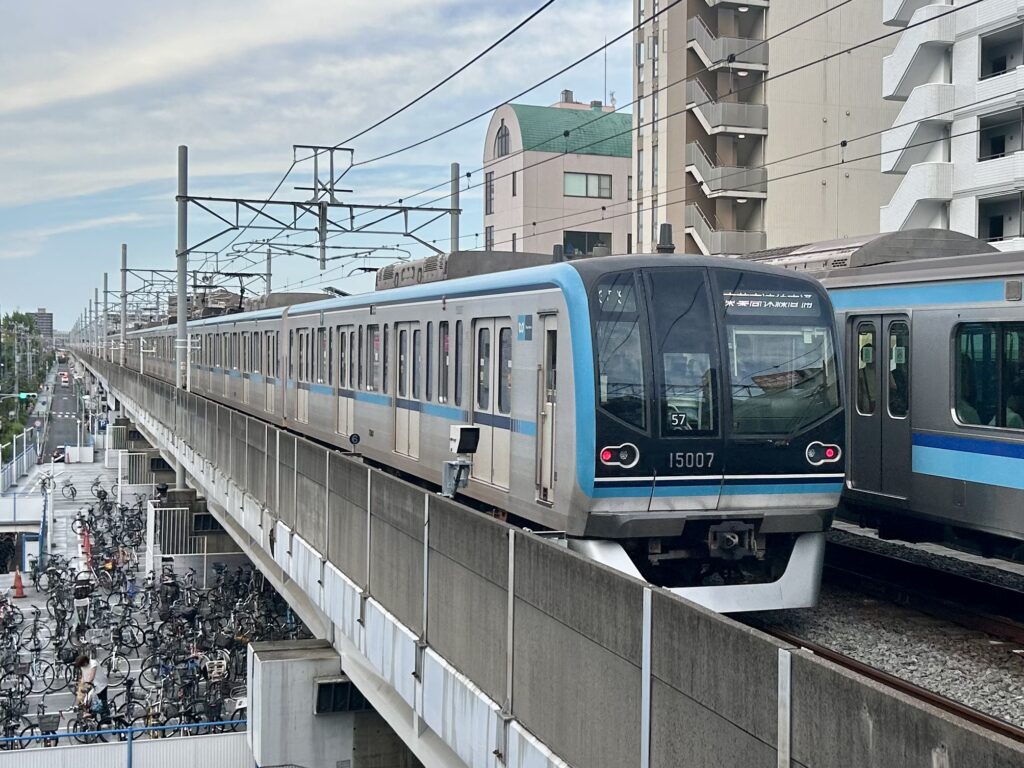
- The Trap: “Tozai” means East-West. It connects Chiba (cheap rent) to Otemachi (business district). Super convenient.
- The Reality: Historically the absolute worst. The section from Kiba to Monzen-Nakacho is infamous. It is notorious for delays because it takes too long for passengers to get on/off.
- Congestion Rate: 160%+
- ⚠️ Warning: Avoid living in Kasai or Urayasu if you work in Otemachi at 9 AM.
- 🥳Smart Alternative: Monzen-Nakacho
- Why: Live after the congestion peak. It has a historic “Shitamachi” vibe.
3. The “Delayed” Giant: JR Saikyo Line
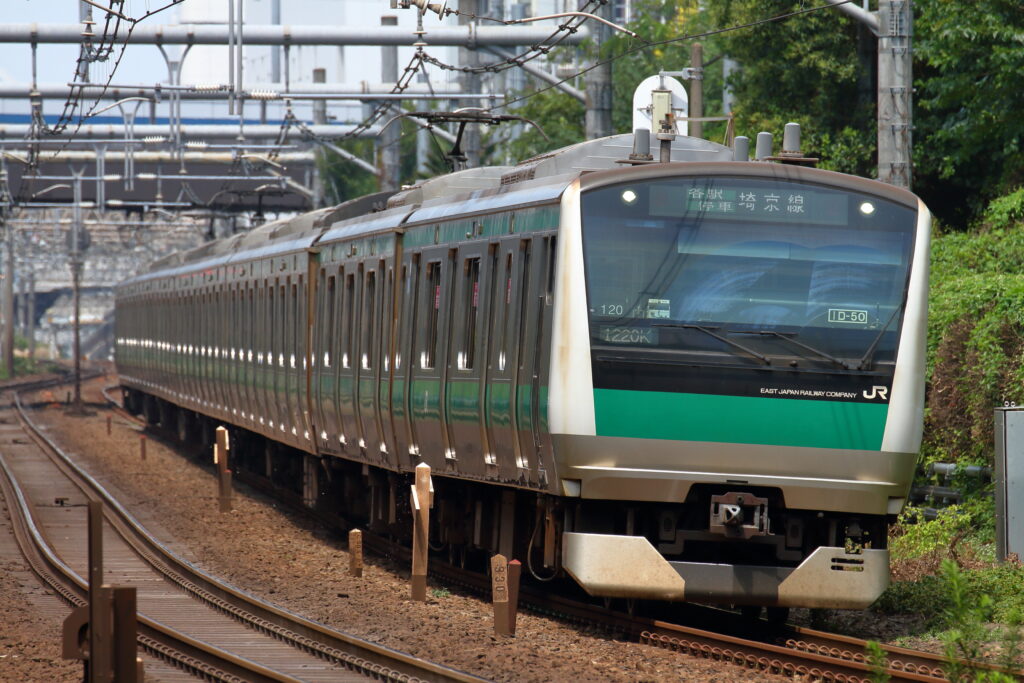
- The Trap: Connects Saitama (Omiya) to Shinjuku/Shibuya rapidly. Very popular for families.
- The Reality: It shares tracks with other lines, causing a domino effect of delays. It is also famous for “Chikan” (groping) incidents due to the extreme crowding.
- Congestion Rate: 160%+ (Current Worst among JR lines).
- Note: Recent data (FY2023) shows it is now more crowded than the Tozai Line.
- The Experience: Being crushed against the door from Itabashi to Shinjuku.
- 🥳 Smart Alternative: Ikebukuro
- Why: At Ikebukuro, you can switch to the Marunouchi Line (starting station) and sit down.
4. The “Rich Man’s” Suffering: Tokyu Den-en-toshi Line
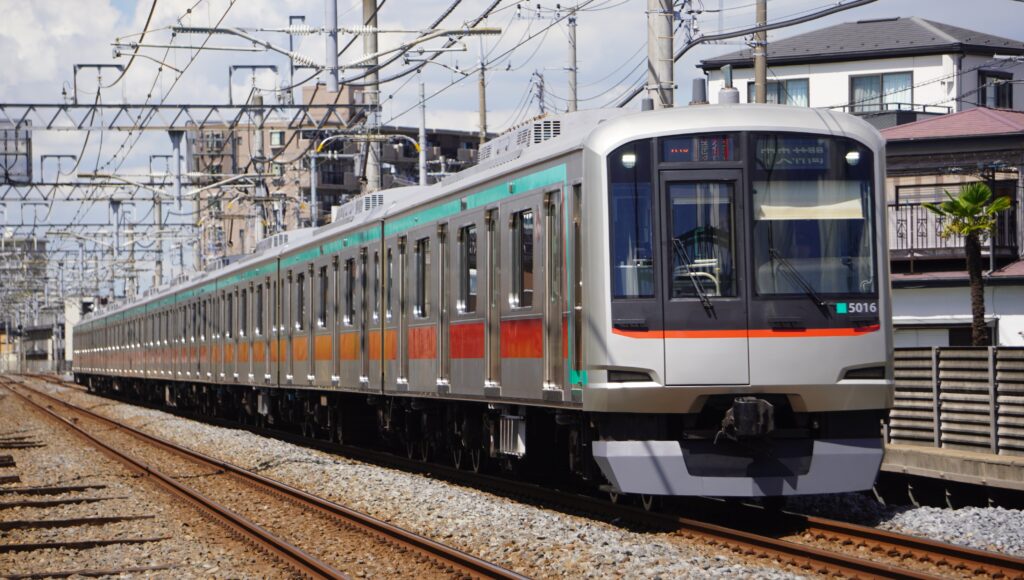
- The Trap: Connects fashionable areas (Futako-Tamagawa) to Shibuya. The image is “stylish and wealthy.”
- The Reality: Everyone wants to go to Shibuya at the same time. The train goes underground (into the Hanzomon Line) and becomes hot, humid, and airless.
- Congestion Rate: 150%+ (Section: Ikejiri-Ohashi to Shibuya)
- 📉 Smart Alternative: Sangen-Jaya
- Why: Close enough to bike to Shibuya. Great food scene.
5. The Never-Ending Line: JR Chuo Line (Rapid)

- The Trap: Straight line from West Tokyo (Nakano, Kichijoji) to Tokyo Station. Fast and simple.
- The Reality: It is arguably the most delayed line in Japan. Accidents, weather, and congestion stop it almost daily.
- Congestion Rate: 158% – 160% (Nakano to Shinjuku).
- The Experience: “Rapid” trains become “Local” trains because they are stuck in traffic jams on the tracks.
- 📉 Smart Alternative: Ogikubo
- Why: It is the starting station for the Marunouchi Line. You can sit all the way to all stations on the line.
How to Escape the Hell? (3 Solutions)
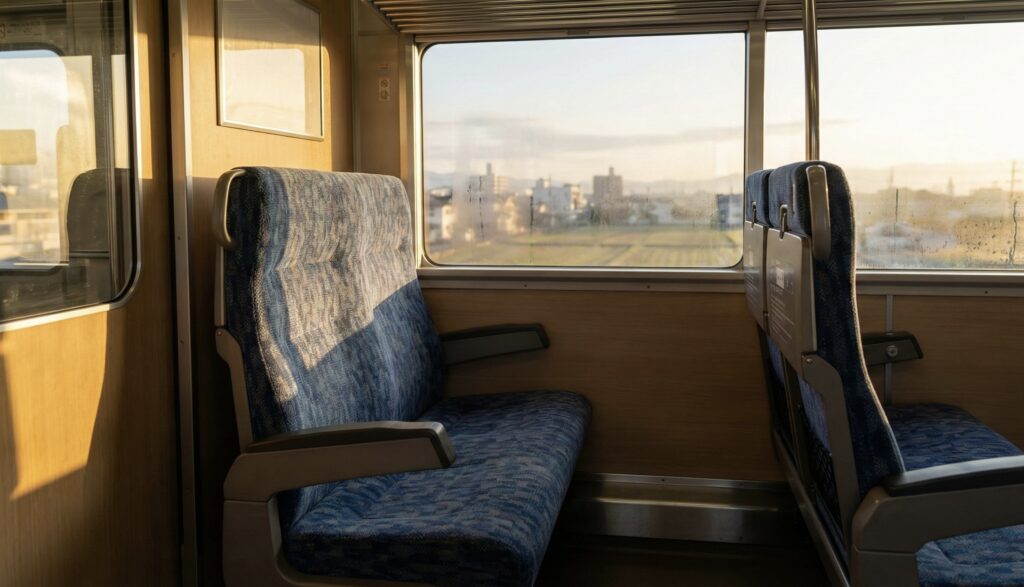
“You have a choice. Choose freedom.”
Solution A: The “Starting Station” Strategy
The only way to sit on a train is to live at a “Shihatsu-eki” (Starting Station).
- Examples: Ogikubo (Marunouchi Line), Naka-Meguro (Hibiya Line), Wakoshi (Fukutoshin Line / Yurakucho Line).
🎁 Special Deal: We partnered with Oakhouse to help you find affordable share houses near these premium stations. Register below to get 5,000 yen off your rent!
Solution B: Money vs. Sanity (The 20-Minute Rule)
Pay ¥20,000 more rent to live 20 minutes closer.
- Calculation: ¥20,000 / 20 work days = ¥1,000 per day.
- Is your mental health worth ¥1,000 a day? Absolutely.
Solution C: The Ultimate Fix (Remote Work)
The only way to truly win the rush hour game is not to play. If you are an engineer, marketer, or recruiter, you should demand Remote Work or Flex-Time (start at 10:30 AM).
- Does your current company force you to be in the office at 9:00 AM? It might be time to switch.
Conclusion
Tokyo is a wonderful city, but the rush hour is its dark side. Don’t choose your apartment based only on “cheap rent.” Check the Line, the Station, and the Congestion Rate.
Your morning mood determines your life quality. Choose wisely.
Data Sources & References
At Reality of Japan, we prioritize facts over rumors. The rankings and congestion data in this article are based on the latest official reports from the Japanese government.
- Ministry of Land, Infrastructure, Transport and Tourism (MLIT)
- Report: “Congestion Rate of Railways in Major Metropolitan Areas (FY2023)”
- Source: Press Release (Japanese) – MLIT Official Website
- Tokyo Metro & JR East
- Context: Delay certificate issuance history and published timetables.
Note: Congestion rates are average values during the peak one hour of the morning rush. Actual experience may vary depending on the specific train car and weather conditions.