Why is it So Hard to Make Friends in Japan?


You live in Tokyo, a metropolis of 14 million people. You are surrounded by crowds on the train, in the streets, and at work. Yet, you find yourself eating dinner alone, scrolling through social media, wondering why it feels so isolating.
If you are feeling this “social isolation,” let me tell you two things immediately:
- You are not crazy.
- You are not alone.
“Loneliness” is consistently ranked as one of the top challenges for expats living in Japan. Despite Japanese people being incredibly polite, kind, and helpful, breaking through the surface to form deep, meaningful friendships can feel like hitting an invisible wall.
Why is this? Is it the language? Is it you?
In this article, we explore the 5 cultural reasons why making friends in Japan is structurally difficult, and—more importantly—give you actionable strategies to hack these cultural norms and find your “Ibasyo” (a place where you belong).
The “Why”: 5 Cultural Barriers You Are Facing
To solve the problem, you must first understand the system. It’s not that Japanese people don’t want to be friends with you; it’s that the architecture of friendship is fundamentally different here.
1. The Wall of “Uchi” and “Soto”
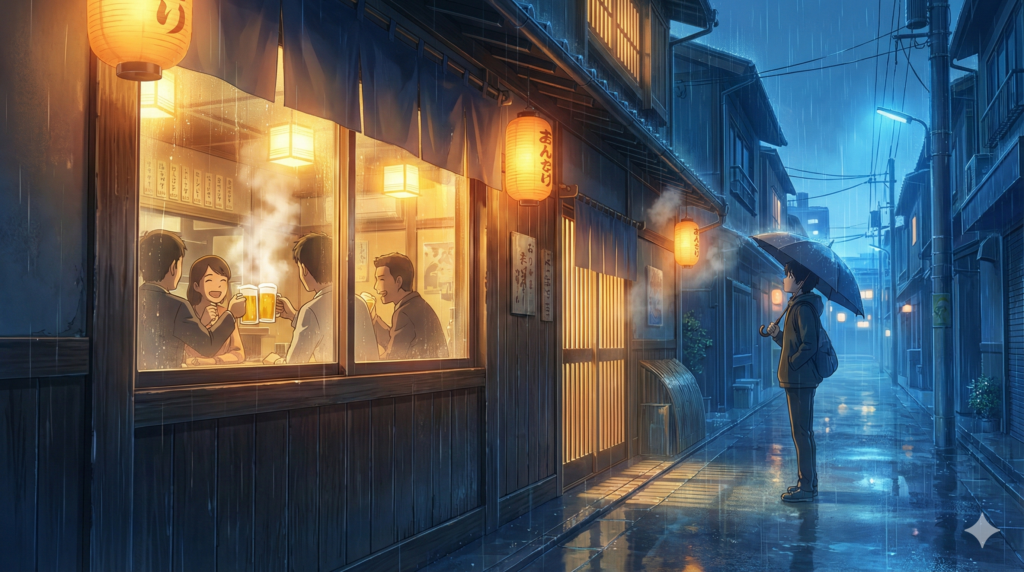
In many Western cultures, friendship is a gradient. You meet someone, become acquaintances, and slowly slide into friendship.
In Japan, there is a distinct psychological boundary known as Uchi-Soto.
- Uchi (Inside): Family, close friends, long-time colleagues.
- Soto (Outside): Everyone else (including you).
For a Japanese person to move you from Soto to Uchi requires a significant investment of time and trust. Many foreigners give up because they expect this transition to happen in weeks, while in Japan, it is a slow burn that can take months.
2. “Tatemae” vs. “Honne” (The Politeness Trap)
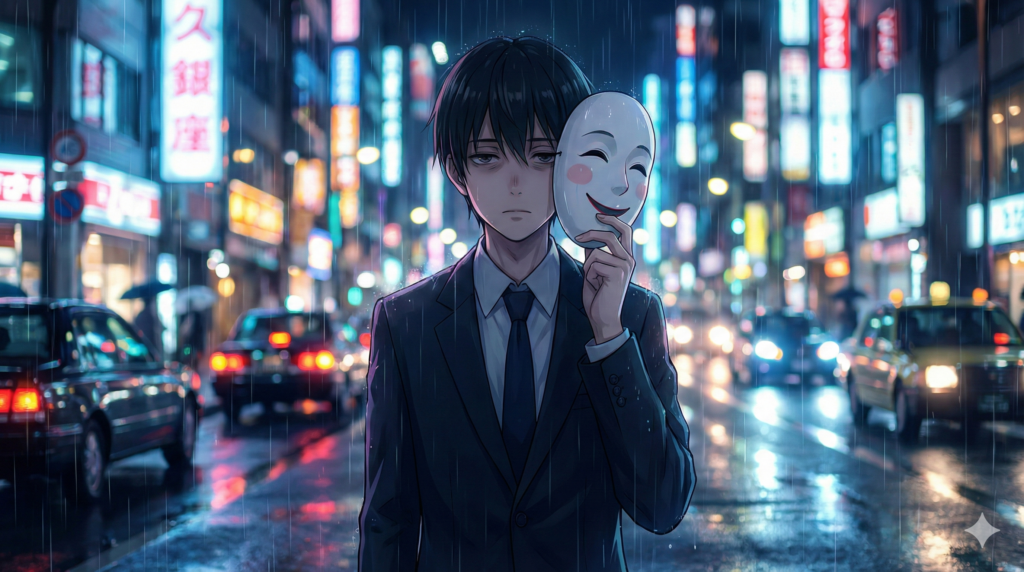
Have you ever had a conversation with a Japanese acquaintance who smiled, nodded, and said, “Let’s definitely go for a drink sometime!”—but then never replied to your text?
This is Tatemae (public face/politeness). It is not lying; it is a social lubricant designed to maintain harmony. The opposite is Honne (true feelings). Expats often confuse Tatemae with genuine interest. Misreading this social cue leads to disappointment and the feeling that “people are fake.” They aren’t fake; they are prioritizing social harmony over direct rejection.
3. The Death of Spontaneity
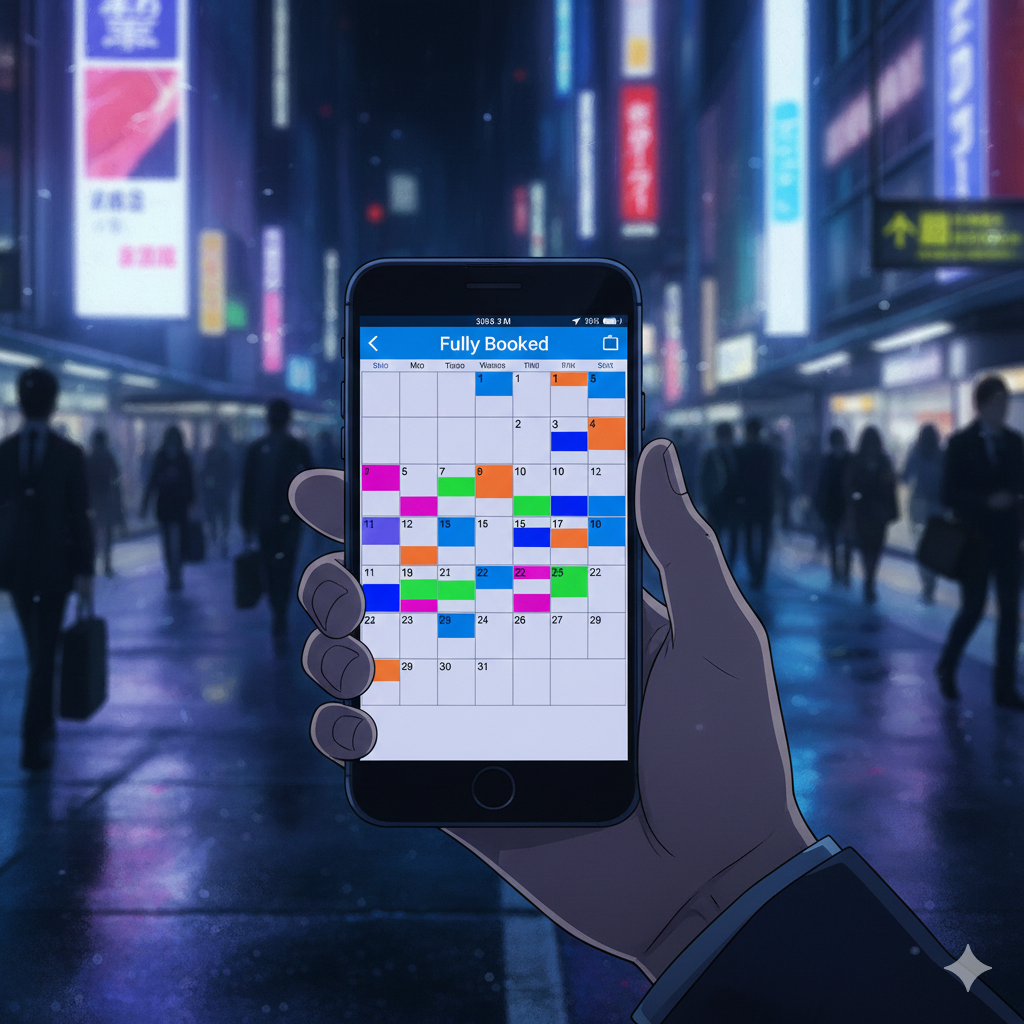
In many countries, you can text a friend at 5 PM: “Doing anything tonight? Let’s grab a burger.” In Tokyo, this almost never works.
Japanese social lives are often scheduled weeks in advance. A spontaneous invite can actually cause stress for a local, as it disrupts their routine. If you get rejected for a last-minute plan, it’s not because they dislike you; it’s because you didn’t book a slot in their calendar.
4. The “High Context” Barrier
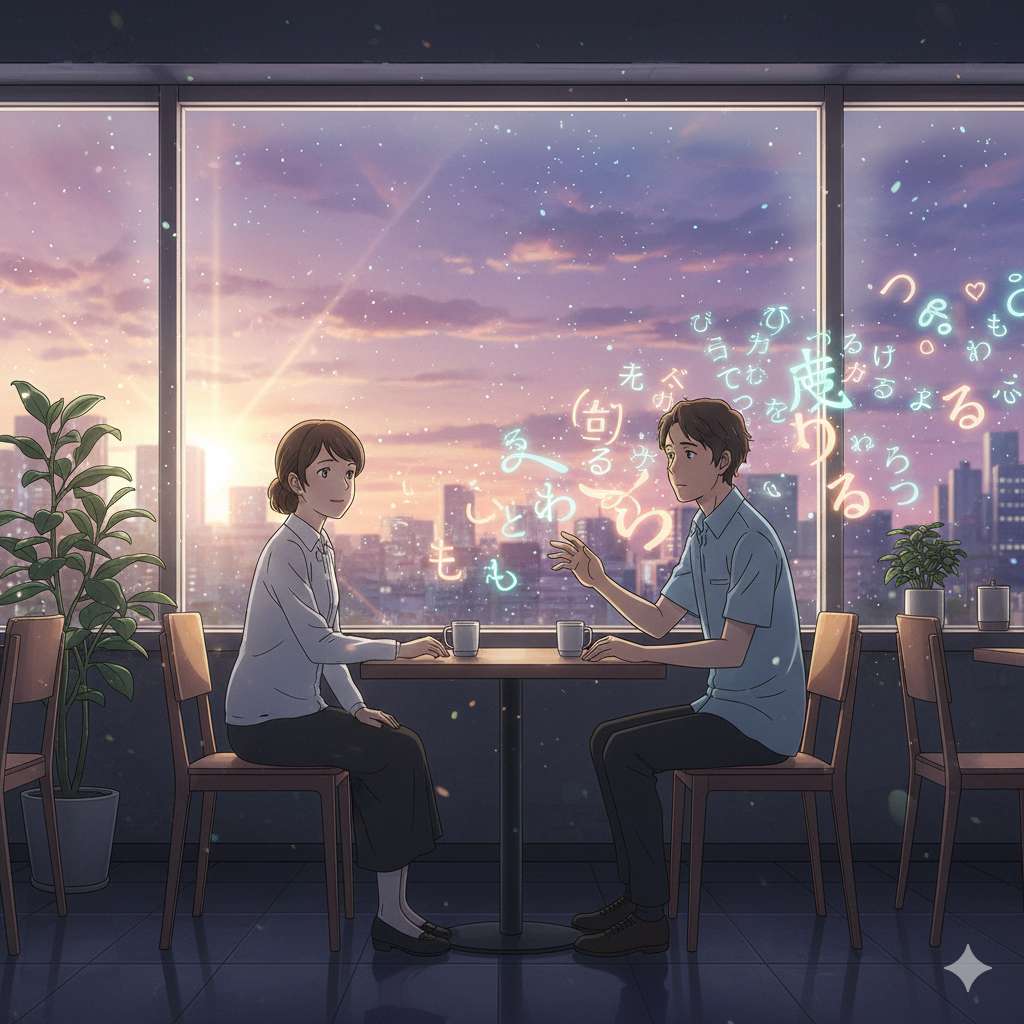
Even if your Japanese is decent, you might struggle with the High Context nature of communication. Japanese culture relies heavily on “Reading the Air” (Kuuki wo yomu). Conversations often rely on what is not said. Missing these subtle cues can make interactions feel awkward or shallow, stalling the progress toward a deeper connection.
5. Exhaustion and Life Structure
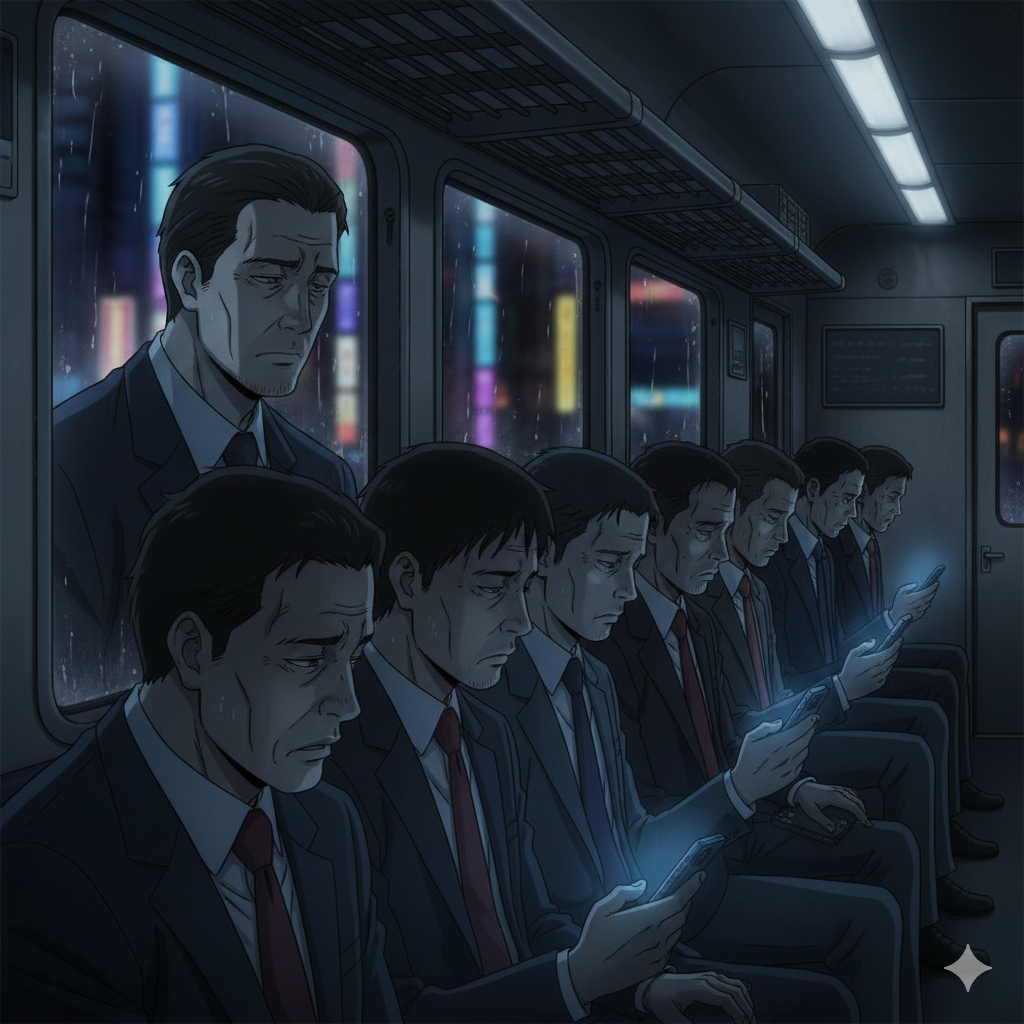
Finally, there is the reality of Tokyo life. Between long commutes, overtime, and social obligations to coworkers (Nomikai), many Japanese people simply do not have the mental energy to socialize with a foreigner where they have to bridge a language and cultural gap. It is physically easier to hang out with old friends where no effort is required.
The Solution: How to Hack the System
The situation isn’t hopeless. In fact, once you break through the Uchi-Soto wall, Japanese friendships are incredibly loyal and long-lasting. Here is how to do it efficiently.
Strategy 1: The “Shared Purpose” Rule

Trying to make friends at a bar or a generic “Meetup party” is low-yield. The conversation rarely goes beyond “Where are you from?” and “Do you like sushi?”
Instead, you need a Shared Purpose. When you focus on a third object (a sport, a project, a hobby), the pressure to “make conversation” disappears, and bonds form naturally.
- Sports: Futsal, Hiking, or Running clubs. Sweat bridges the language gap better than words.
- Volunteering: Organizations like Second Harvest or local beach cleanups. Working together for a cause instantly creates an “Uchi” atmosphere.
- Classes: Photography, Pottery, or Cooking.
Strategy 2: Be the “Regular” (The Mere Exposure Effect)

Do not go to ten different events once. Go to one event ten times. Psychologically, Japanese society values consistency ( Keizoku ) above charisma.
- Find a local coffee shop, bar, or community center.
- Go there at the same time, on the same day, every week.
- Eventually, you become a “Regular” (Joren). The staff will talk to you. Other regulars will acknowledge you. This is the seed of community.
Strategy 3: Use Local Tools, Not Tourist Tools

Stop using apps designed for tourists. Start using platforms that locals use.
- Peatix: The go-to platform for events, workshops, and communities in Japan. Look for “International” or “Exchange” tags, but also look for hobby-specific events.
- Jimoty (Jimoto no Keijiban): Ideally for buying/selling, but it has a “Members Recruitment” section for band members, sports teams, and hobby groups.
- Social Apartments: If you are single, consider living in a “Social Apartment” or Share House. It forces daily interaction and is the fastest way to build a network.
Strategy 4: Stop Trying to Be “Japanese”

You are a foreigner. Use that to your advantage. Japanese people are often shy to invite others because they don’t want to be a burden (Meiwaku). Be the organizer. Be the aggressive one (in a warm way). Plan the event, book the restaurant, and send the invite 3 weeks in advance. If you wait to be invited, you might wait forever. Be the catalyst.
Conclusion: Finding Your “Ibasyo”
Loneliness in Japan is a phase, not a permanent state. It is usually a symptom of trying to apply Western social rules to a Japanese game board.
By shifting your strategy from “seeking friends” to “seeking community,” you will find that the walls start to come down. It takes time, but finding your Ibasyo—your place where you fit in—is worth the effort.
At Reality of Japan, we are dedicated to helping you navigate the complexities of life in Japan. From visa issues to social life, we are here to bridge the gap.