The “Zero Racism” Myth: The Silent Reality of Discrimination in Japan & How to Cope
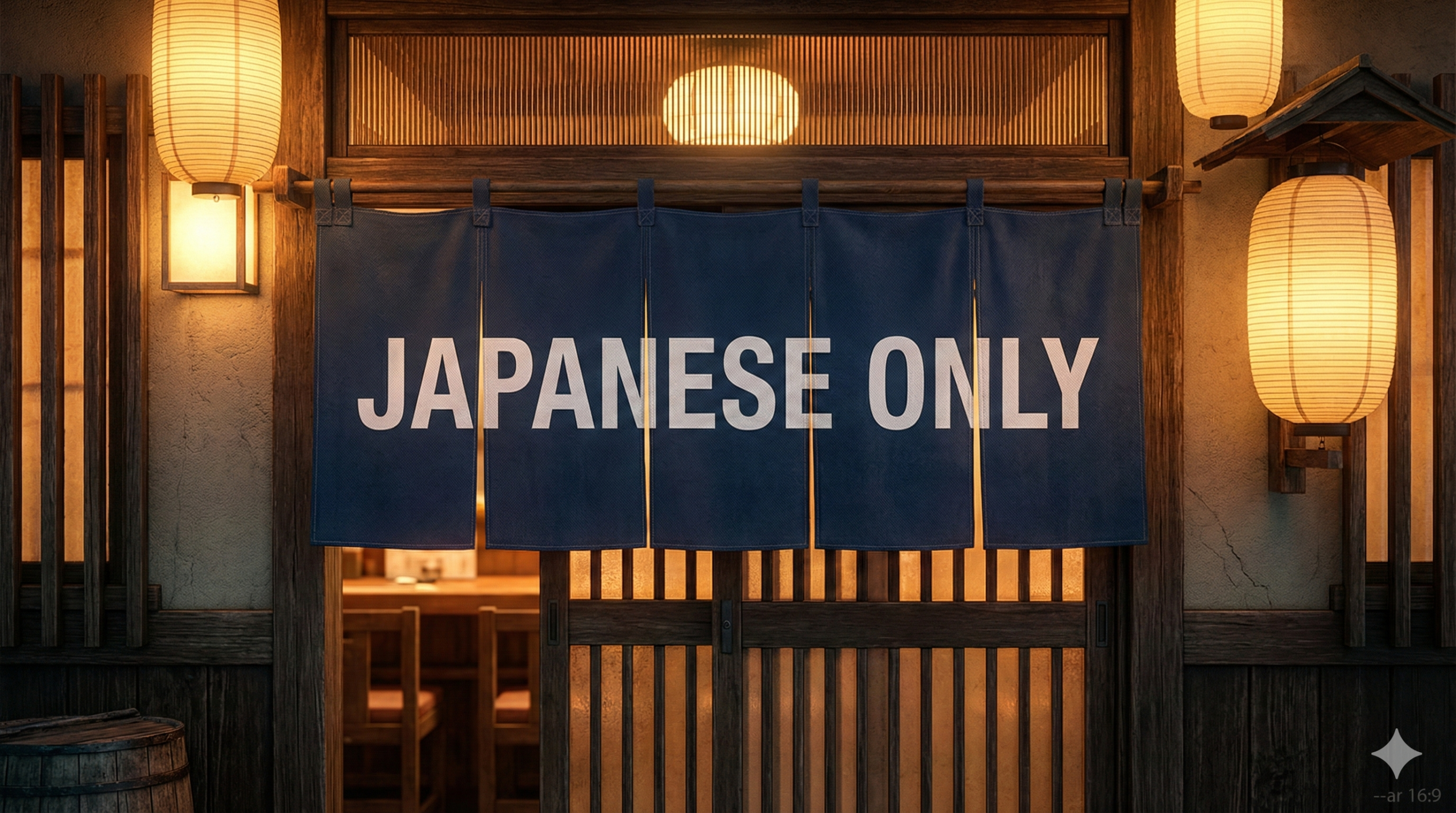
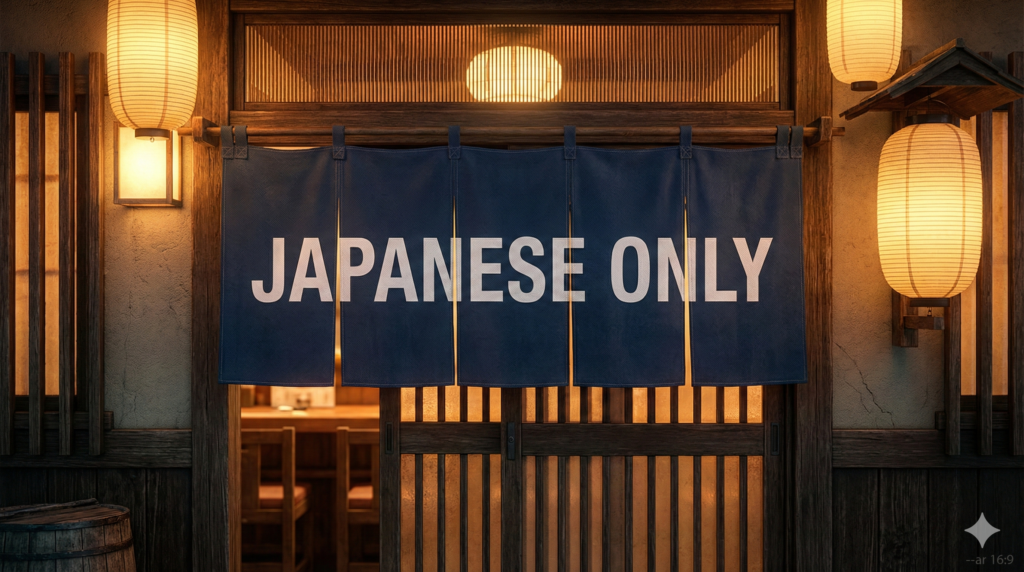
Have you ever seen the Reddit threads titled “Japan Zero Racism” attached to a photo of a “Japanese Only” sign? It’s a bitter piece of irony that circulates the internet every few months.
Many foreigners arrive in Japan with stars in their eyes. They hear about Omotenashi (hospitality), the low crime rate, and the politeness of the people. They assume that because Japan is a safe, advanced democracy, discrimination is a thing of the past.
But here is the Reality of Japan: While you are unlikely to face violent hate crimes, you will almost certainly face “Silent Exclusion” and “Structural Barriers.”
Living in Japan means peeling back the layer of politeness to understand how to navigate a society that loves foreign tourists but struggles to accept foreign residents. Here is the data-backed reality of discrimination in Japan and—most importantly—how to survive it without losing your love for the country.
1. The Housing Blockade: The “Gaijin” Check
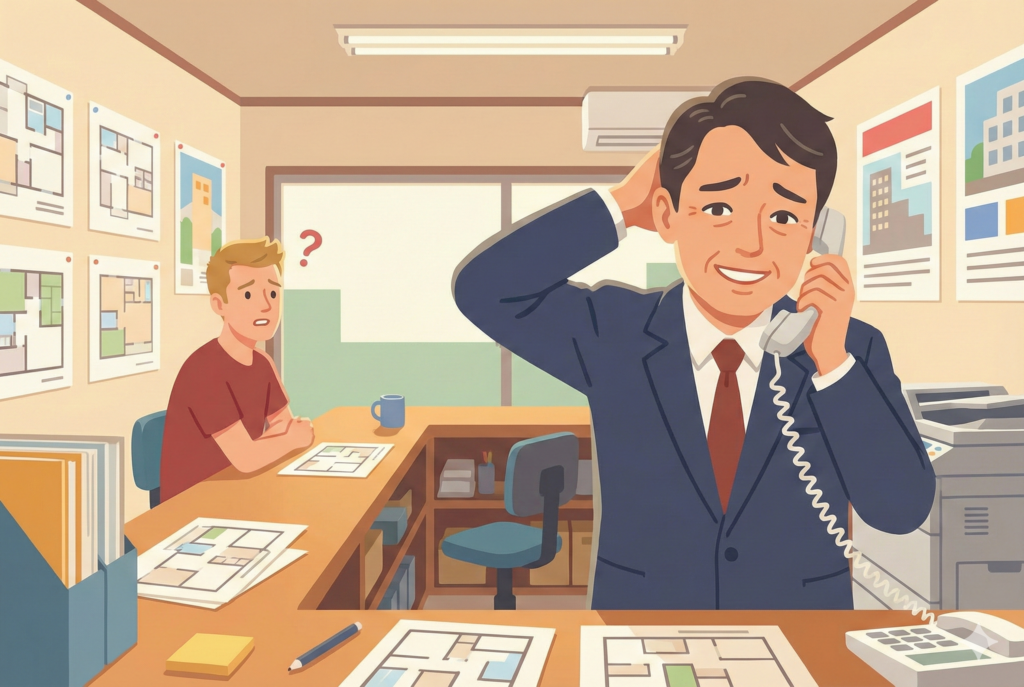
This is the first and hardest wall you will hit. You have a visa, a job, and money in the bank. You walk into a real estate agency to rent an apartment. The agent calls the landlord. Then, the mood changes.
- The Trap: Believing that “Cash is King.” You assume that if you can pay the rent, the landlord will happily take your money.
- The Reality: According to a Ministry of Justice (MOJ) survey, nearly 40% of foreigners have been rejected for housing solely because they are not Japanese. In Japan, landlords often have the legal right to refuse tenants based on “communication concerns.” They fear you won’t follow trash rules or will make noise. The agent will hang up the phone and tell you with an awkward smile: “Sorry, this owner is a bit shy about foreigners.”
- The Solution: Stop trying to break down locked doors. Do not waste your time with traditional local agents who don’t know how to negotiate for you.
- Use Specialized Services: Companies like Oakhouse, UR Housing (government-backed, no key money, no guarantors, no discrimination), or foreigner-friendly agents are essential.
- Look for “Gaijin-Friendly” Share Houses: These are often easier to enter, require less paperwork, and offer an instant community.
2. The “Gaijin Seat” & The Empty Circle

You are on a packed morning train in Tokyo. Commuters are squashed against the windows. Yet, the seat next to you remains empty. People would rather stand for 45 minutes than sit next to the foreigner.
- The Trap: Thinking, “Do I smell? Is there something wrong with me?” or getting angry at the “racist” commuters.
- The Reality: This is rarely about hate. It is about Fear and Inertia. Many Japanese people are terrified of needing to speak English. They worry: “What if he asks me a question? What if he bumps into me?” It is a passive form of avoidance, often called “Microaggression.” Similarly, shop staff might panic and throw up an “X” sign with their arms, saying “No English,” not because they hate you, but because they are paralyzed by the fear of miscommunication.
- The Solution:The “Mindset Shift.” You cannot control others, but you can control your reaction. Do not let it ruin your day.
- Reframe it: Enjoy the extra personal space on a crowded train. It’s a VIP perk, not an insult.
- Speak Japanese First: If you enter a store, immediately saying “Konnichiwa” or “Sumimasen” can lower the staff’s defense mechanism instantly. Show them you are not a “scary outsider.”
3. Police Profiling: “Shokumu Shitsumon”
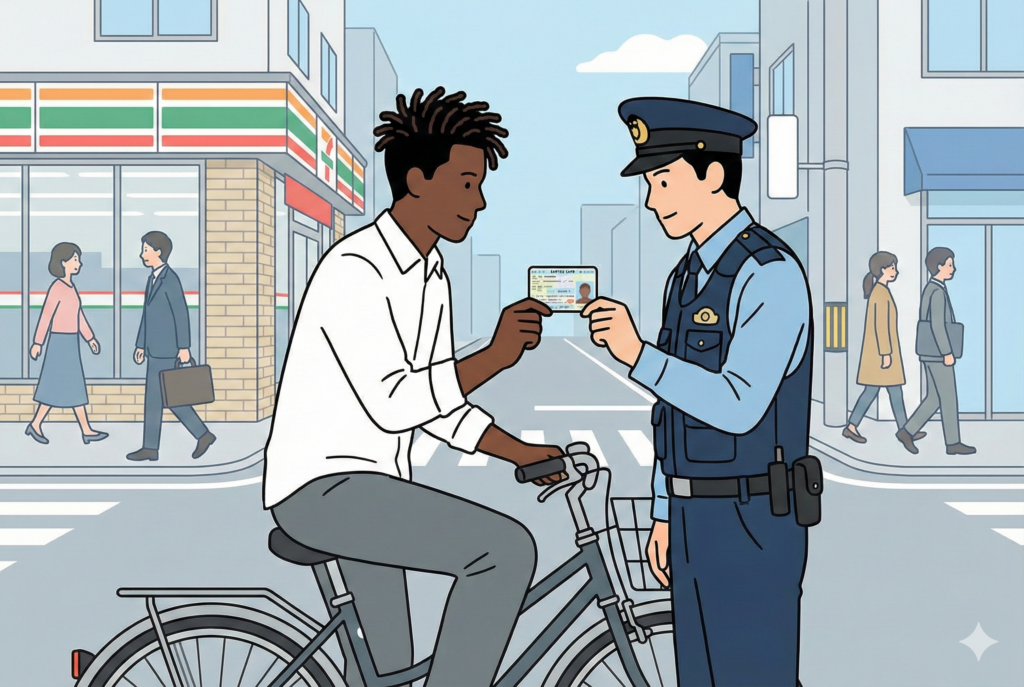
You are riding your bicycle home from the convenience store. A police officer on a bike chases you down.
- The Trap: “I haven’t done anything illegal, so I have nothing to worry about.”
- The Reality: Racial profiling is a reality. Foreign residents are disproportionately stopped for “Shokumu Shitsumon” (police questioning). If you have dreadlocks, tattoos, or dark skin, the frequency increases. They will check if the bike is yours and demand to see your ID.
- The Solution:Compliance is the only way.
- The Golden Rule: You must carry your Zairyu Card (Residence Card) or Passport at all times. It is a legal requirement (Immigration Control Act). If you leave it at home, you can be arrested.
- Don’t Fight: Arguing about racism on the street will only extend the interaction from 5 minutes to 2 hours. Smile, show the card, let them check the bike registration number, and leave.
4. The “Japanese Only” Signs
Yes, they still exist. Usually in nightlife districts or small local bars.
- The Trap: You see a cool, authentic-looking Izakaya and want to try it.
- The Reality: Japan does not have a comprehensive law forbidding racial discrimination by private businesses in the same way the US or UK does. If a private bar owner says “No foreigners,” there is very little immediate legal recourse for you.
- The Solution:Vote with your wallet.
- Why would you want to give your hard-earned money to someone who doesn’t respect you?
- Check Google Maps reviews before you go. The expat community is very good at flagging these “traps.”
- Look for the “We Welcome Foreigners” stickers or establishments known for being open.
Conclusion: Build Your Own Reality
Does this mean you shouldn’t move to Japan? Absolutely not.
Japan is an incredible place to live, filled with kind people, amazing culture, and safety. However, the “Zero Racism” fantasy is just that—a fantasy. The key to surviving here is Resilience.
- Don’t take the empty train seat personally.
- Don’t expect every landlord to accept you.
- Build a circle of Japanese and foreign friends who respect you.
By understanding the “Traps” and preparing the “Solutions,” you stop being a victim of the system and start mastering your life in Japan.
What to do next? If you are worried about the “Housing Blockade,” start your search with a service that guarantees acceptance. Check our recommended “Foreigner-Friendly” Housing List here.